How Do Wars End? Understanding the Reasons and Conditions Behind War Termination
What Is Inner Conflict? It’s a Battle Between You and Yourself
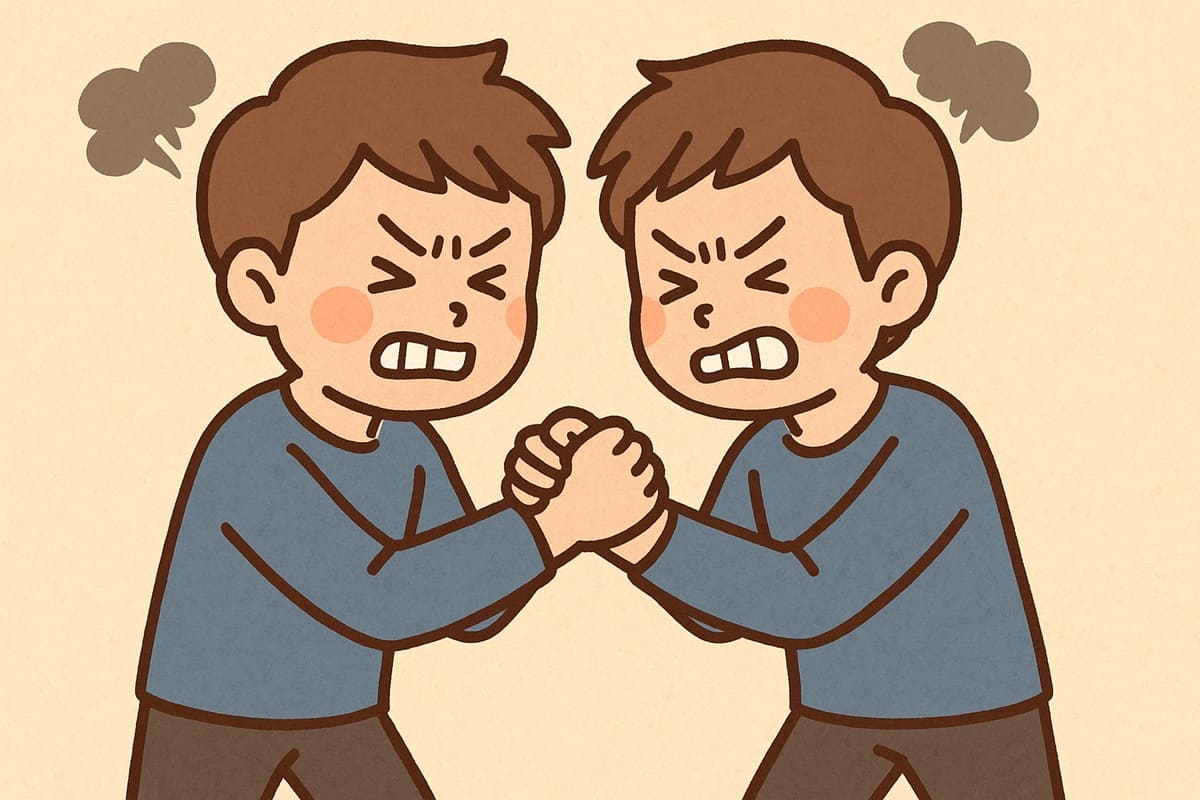
eternalpeacelab
Have you ever heard the word “inner conflict”?
For example, when you think, “I should study, but I really want to check my phone…” Or, “I want to apologize, but my pride won’t let me.”
That kind of inner hesitation or emotional struggle—that’s what we call “inner conflict.”
But what exactly is inner conflict?
In this article, let’s explore the meaning of conflict from the perspectives of psychology, peace studies, and philosophy, and think together about how we can face it in our lives.
What Does “Inner Conflict” Mean?
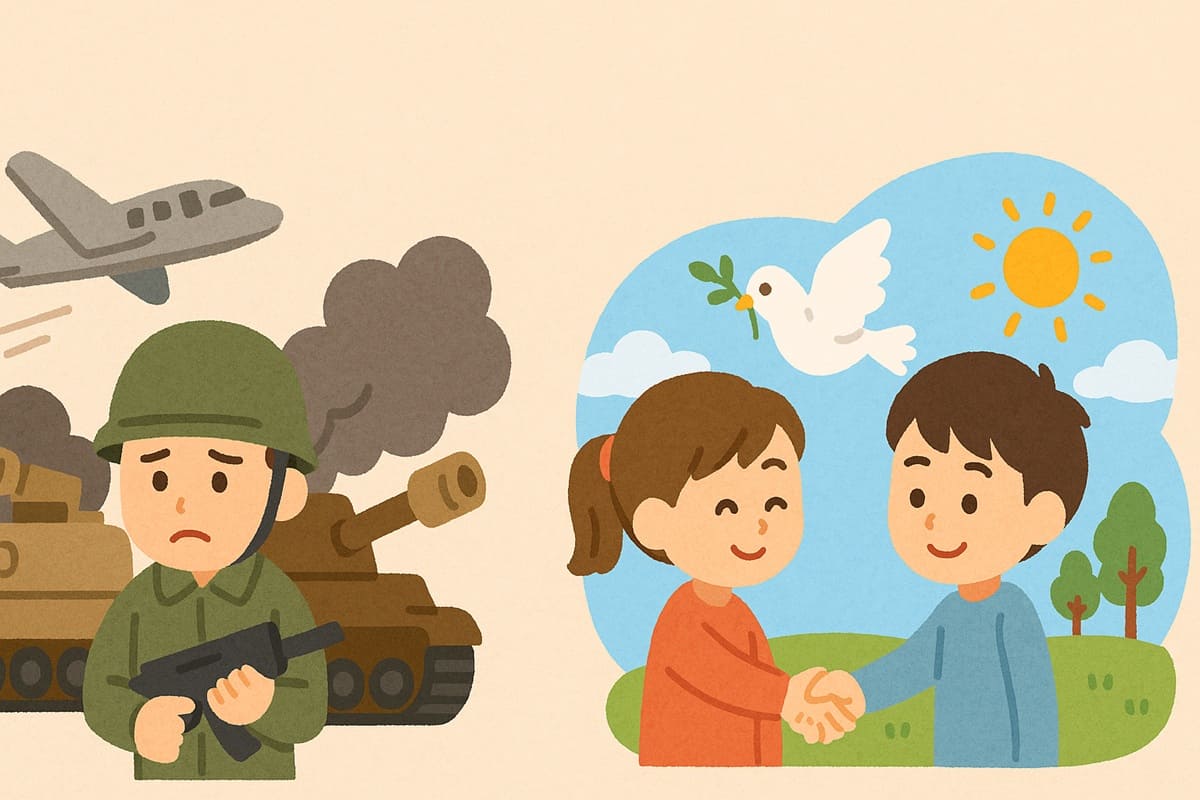
“Conflict” is often used to describe wars or disputes between countries or people. But actually, conflict has another important meaning: a struggle that happens within ourselves—a battle between “me and myself.”
Every day, we make many choices:
- Should I study, or play?
- Should I speak my true feelings, or stay silent?
- Should I take on a challenge, or give up?
In making these choices, our different feelings and values sometimes clash within us.
That is what we call inner conflict—a fight between one version of yourself and another.
Conflict from a Psychological Perspective
In psychology, inner conflict is described as a state where different parts of yourself are in opposition.
The famous psychologist Sigmund Freud believed the human mind is made up of three parts:
- The id, which represents your basic desires and instincts
- The superego, which represents rules and morals
- The ego, which tries to balance the other two
For example, in class, your id might say, “I want to sleep!”
Your superego says, “But it’s wrong to sleep during class.”
Then your ego might suggest, “Maybe I can rest during break time instead.”
That’s how our mind negotiates with itself.
These different “voices” inside us are all part of who we are.
Because of that, it’s often hard to find a clear answer, and that’s what makes inner conflict so difficult.
Conflict with Yourself from a Peace Studies View
When we hear the word “conflict,” many people imagine wars or fights between others.
But inner conflict—conflict within ourselves—is also a serious kind of struggle.
Mahatma Gandhi, famous for his philosophy of nonviolence, once said,
“True peace begins in your own heart.”
Instead of acting out of anger or hate, it’s important to face your emotions, understand them, and learn to control them.
In other words, if we want to build a peaceful world, we first need to create peace within ourselves.
What is Inner Conflict in Philosophy?
Philosophy has long asked questions like “What is a human being?” and “How should we live?”
In that context, inner conflict is often seen as the gap between our ideals and reality.
For example, the Greek philosopher Aristotle said,
“Humans know what they should do—but still fail to do it.”
Even when we understand what’s right, emotions and desires can get in the way.
That too is a form of conflict.
In Buddhist philosophy as well, it is said that “peace comes through fighting the desires and anger within.”
In other words, understanding ourselves and finding harmony within is the path to true happiness.
Fighting Yourself—and Then Making Peace
By now, you probably understand that inner conflict is a clash between you and yourself.
But that doesn’t mean inner conflict is a bad thing.
In fact, it’s a valuable chance to ask yourself:
“What do I really want?”
“What is truly important to me?”
For example, if you’re torn between going to college or getting a job, that’s a inner conflict of your values and hopes.
But carefully thinking through that inner conflict can help you learn what matters most to you—and that lesson will help you far into the future.
Inner conflict is an opportunity for growth.
Conclusion: Inner Conflict is Proof That You’re Alive
Everyone lives with conflict.
It’s born from the fact that we have ideals, emotions, and hopes for the future.
“Conflict isn’t just something that happens with others. It also happens within yourself.”
And when we face those inner battles, overcome them, and sometimes make peace, we slowly become more mature.
If you’re experiencing inner conflict right now, that’s proof that you’re living your life seriously.
So don’t fear it—see it as a chance to understand yourself better.
Related Articles
- Why Do We Feel Guilty? How to Overcome Guilt
- What Does It Mean to Become an Adult? It Means Accepting Your Own Weaknesses
- What Does It Mean to Die? Learning the Importance of Facing Death
Main References
- Festinger, L. (1957). A theory of cognitive dissonance. Stanford University Press.
- Freud, S. (1923). The ego and the id. The Standard Edition of the Complete Psychological Works of Sigmund Freud, Volume XIX.
- Galtung, J. (1996). Peace by peaceful means: Peace and conflict, development and civilization. Sage Publications.
- Gandhi, M. K. (1940). Non-violent resistance (Satyagraha). Schocken Books.
- Krishnananda, S. (n.d.). The four conflicts of life. The Divine Life Society.(和訳『人生における4つの葛藤』より引用)
How Were Ethnic Groups and Races Born?
Why Do People Fight? Understanding the Many Causes of Conflict
What Do “Right” and “Left” Mean? What’s truly important is to think for yourself
Do Nuclear Weapons Really Prevent War?
Are Humans the Only Species Who Kill Members of Their Own Kind?

What Is PeaceTech? Let’s Use Technology for Peace
What Is “Peace”?
Why Can People Kill in War? Understanding the Psychology of Soldiers
What Is the Relationship Between War and Music?
Why Are Israel and Palestine Always in Conflict?
Why Do Borders Exist in the First Place?
ABOUT ME

I'm Wanzo, the editor of Eternal Peace Lab. After completing a master's in Peace Studies in the UK, I worked as an international cooperation specialist and university lecturer. I write about peace and conflict in a way that middle and high school students can easily understand—hoping that, even just a little, it helps build a world without conflict.